Posted in: ایرج فرزاد | No Comments »
|
Posted in: ایرج فرزاد | No Comments »
قبل از پرداختن به مساله “حجاب”، لازم میدانم در جهت روشن کردن موضع خود، به سه تعریف از مساله زنان در سه خاستگاه سیاسی و فکری اشاره ای داشته باشم: مساله زنان در چهارچوب بینش جناح راست و تاچریست بورژوازی بین المللی، در دستگاه فکری و جنبشی ناسیونالیسم چپ، و سرانجام در خاستگاه اسلام سیاسی و تمامی زیر مجموعه های آن، از جمله “چپ محور مقاومتی” بویژه در ایران کنونی. Posted in: ایرج فرزاد | No Comments »
ماجرای جدال بین مارکس و “آقای وُگت” (vogt) حاوی درسهای بسیار ارزنده ای است. برای پی بردن به اهمیت نقد بیرحمانه مواضع “کارل وگت” از جانب مارکس در جزوه ای به نام “آقای وگت”، نوشته شده در ۱۸۶۰، اشاره به زمینه های آن جدل و جایگاه و شخصیت وگت و نیز مبنای اتهاماتی که وگت متوجه مارکس کرده بود، ضروری است: وُگت یکی از سرشناس ترین و با نفوذترین عناصر در میان دمکرات های آلمان و انقلابی “قدیمی” بود که در سال ۱۸۴۹ در پی سلطه ضدانقلاب در آلمان، مجبور به فرار به سویس شد. او “دانشمند” بزرگی بود که حتی به عنوان یکی از نمایندگان اصلی”ماتریالیسم طبیعی- تاریخی”، خصوصا از طرف نخبگان علمی بورژوازی به عنوان اصل نماینده آن سیستم فکری در تقابل با سیستم نظری”بَدَلی” مارکس و انگلس، عَلَم شد. او نه تنها در میان دمکرات های آلمان، بلکه هم چنین در میان مهاجرین انقلابی بین المللی، بویژه در میان لهستانی ها، ایتالیائی ها و مجارها از نفوذ وسیعی برخوردار بود. Posted in: ایرج فرزاد | No Comments »
Posted in: ایرج فرزاد | No Comments »
جناب “آزاد نسیم”، حاشیه ای نوشته است بر یک مطلب رفیق علی جوادی. عنوان نوشته ایشان: “تایید یا فراموشی؟! است. اصطلاحی هست که میگوید: “گیاه بر ریشه خود میروید”. آزاد نسیم رویش دگر باره بر آن ریشه خود را با افتخار چنین بیان کرده است: [ایراد و نقد اکثریت قریب به اتفاق «شورشیان آوریل» به موقعیت حزب در آندوره در دفاع از حرمت و حقانیت کمونیسم کارگری و در دفاع از برنامه و اهداف آن «طوفانی در فنجان» نبود. واقعیتی بود که انکار هیستریک آن پس ماندههای آن حزب را به این فرجام کشانده است.] Posted in: ایرج فرزاد | No Comments »
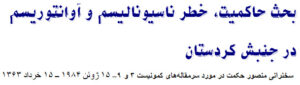
مسأله ای که میخواهم راجع به آن صحبت کنم بطور کُلی در مورد حاکمیت است. ولی در چهارچوب بحثهائی که این روزها در کارگر کمونیست مطرح کردیم، میخواهم درباره اش صحبت بکنم. از نظر تیتر شاید این گویا باشد، اما تیتر بحث یعنی: “ناسیونالیسم و آوانتوریسم”، بطور کُلی نباید رفقا را مقید بکند. شاید در بحث ها مشخص شود که اسم دقیق آن چه میتواند باشد. شاید با: “آوانتوریسم و ناسیونالیسم در جنبش کردستان”، بهتر بشود آن را تعریف کرد. من در مقابل این انحرافات، یا شاید هم بهتر باشد بگویم بطور کُلی؛ درباره متدولوژی مارکسیستها در برخورد به جنبش ملی و جنبش کردستان در شرایط حاضر صحبت میکنم. Posted in: ایرج فرزاد | No Comments »
برای داشتن تصویری دقیق تر از میزان حداقل دستمزد کارگران در ایران، باید میزان عددی آن را با معیاری به جز مقایسه آن با عدد و رقم سال قبل مقایسه کرد. برای مثال مقایسه سطح دستمزد با ما به آزاء نرخ دلاری آن، یا مقایسه با هزینه مسکن و یا قیمت خودرو. Posted in: ایرج فرزاد | No Comments »
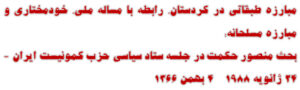
قسمت اولمسائل مبارزه طبقاتی در کردستانسیر تحولات در شکل گیری کومه له هرکسی میتواند گزارش و روندهای چندین سال را نگاه کند و جمعبندی بکند و بعد موقعیت کنونی امروز تشکیلات کومه له را در متن مبارزه طبقاتی بررسی بکند، تا ببیند کومه له از نظر اجتماعی به چه تبدیل شد. یک بُعد دیگر این مساله، بخشی که از نظر زمانی بیشتر طول میکشد، مسائل گرهی در زمینه تئوری، سیاست، تاکتیک و اشکال مبارزاتی است. راجع به نکات عمده آنها اظهار نظر بکنیم. مثلاً جایگاه مسأله ملی برای ما، تبیین ما از خود مختاری، رابطه مبارزه طبقاتی و جنبش جاری در کردستان. رابطه بین عرصه های مختلف مبارزه و اشکال مبارزاتی که باید اتخاذ بکنیم، مثل مبارزه مسلحانه، کار در بین کارگران، کار مخفی و علنی. Posted in: ایرج فرزاد | No Comments »
چگونگی اعلام مرگ خامنه ای یک مشغله جدی سران جمهوری اسلامی بود. جمهوری اسلامی پیشتر پس از مرگ خمینی توانست خبر مرگ او را ساعتهای بیشتری از افکار عمومی پنهان کند، چرا که آن روزها نه شبکههای اجتماعی و اینترنت جایگاه امروز را داشت و نه دسترسی مردم به اطلاعات و خبرها به شکل امروزی بود. خمینی ساعت ۱۰:۲۰ شب روز شنبه ۱۳ خرداد ۱۳۶۸ درگذشت، اما جمهوری اسلامی خبر مرگ او را حدود ۸ ساعت و ۴۰ دقیقه بعد، در ساعت ۷ صبح روز یکشنبه ۱۴ خرداد، از طریق رادیو و تلویزیون سراسری اعلام کرد. در این فاصله، مقامهای ارشد و اعضای مجلس خبرگان رهبری برای مدیریت انتقال قدرت و برگزاری نشست انتخاب جانشین تشکیل جلسه دادند تا روند انتخاب رهبر جدید، پیش از اعلام عمومی خبر تحت کنترل حکومت قرار گیرد. Posted in: ایرج فرزاد | No Comments »
در کامنت ها پیرامون نوشته من، “بسیار فراتر از تفسیر جهان” در سایت “اخبار روز” پرداختن به یک رفت و برگشت با “نیک”، میتواند آموزنده و درخور تعمق باشد. من کامنت اول “نیک” و پاسخ کوتاه خود را اینجا وارد کرده ام که زمینه اختلاف نظرها روشن تر شود. دوست عزیز “نیک” در مورد پاسخ من کامنت دومی نوشتند که این را هم در اینجا میخوانید. از آنجا که من به کامنت شخص دیگری نیز پاسخ داده بودم، و طبق موازین سایت اخبار روز هر کس نمیتواند پیرامون یک مطلب بیش از دو کامنت بنویسد، عملا امکان این وجود نداشت که به دومین اظهار نظر نیک پاسخی بدهم. بعلاوه سطح کامنت ها، بازهم طبق آن موازین نباید بیشتر از “۹۰۰ کاراکتر” تجاوز کند. ابتدا به رفت و برگشت ها نگاه کنید: Posted in: ایرج فرزاد | No Comments » |
  |